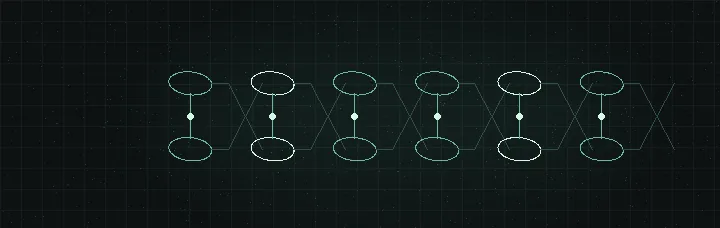
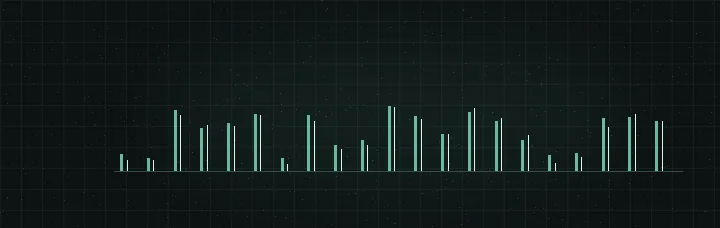
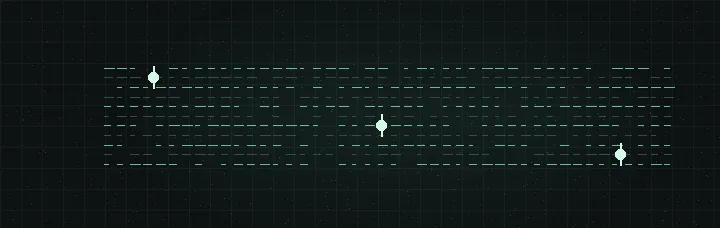
Signature replay measures a particular returned thinking block. Fingerprint sampling provides probabilistic evidence about behavior across requests.
Signature replay
We send a returned thinking block back to Anthropic during a matching tool continuation, with block-binding controls on. Current models skip a block they cannot read and name the reason: another model, a changed prompt, or another account. An Opus 5.5 block must also be unreadable to Sonnet 5.5, which older or cheaper blocks are not. An altered copy of the block must be rejected. Model identity rests on Anthropic's published binding rules and on reference runs.
Billing estimates
Reported input usage is compared with Anthropic’s token-count estimate for the same request. Visible-output estimates use a separate text count. Hidden thinking and message overhead can change the difference.
Context recall
Synthetic markers near the start, middle and end of a request test recall at recorded sizes. Misses can reflect truncation, attention or a response-format failure.
Behavior and timing
Scored coding, reasoning and language prompts measure behavior. Streaming measurements show first-text latency and estimated output speed. Network conditions and load affect timing.
How a report is reviewed
Published reports carry sample hashes and measurement times. For staked relays, an authorized reviewer can anchor a report and open a review window. A relay can record an appeal with a bond during the review window. The relay or a sponsor can then fund the oracle request. After the appeal deadline, anyone can close an unresolved appeal and overturn the adverse review. Flap’s Claude oracle receives numeric evidence and chooses to uphold or overturn.
 Relay Audit